
Why Facts Alone Don’t Inspire Action: A Storytelling Framework for Environmental Nonprofits
If your company's marketing feels harder to perfect than it did a few years ago, you're not imagining it.
You have more tools than ever. More platforms. More AI-powered content creation. More analytics. More automation. Yet many business leaders feel like they're working harder for smaller returns.
Website traffic feels unpredictable. Social engagement is inconsistent and the algorithms keep changing. Lead quality fluctuates. Content that would have performed well three years ago barely gets noticed today.
The common assumption is that marketing has become more complicated because there are too many channels to manage.
And while that's partially true, the real reason marketing feels harder right now is much deeper:
Attention has become abundant, but trust has become scarce.
And that shift is fundamentally changing how B2B buyers discover, evaluate, and select vendors.

The Buyer Journey Has Quietly Changed
For years, marketers operated under a relatively straightforward model:
- A prospect searched for a problem.
- They found your content.
- They visited your website.
- They engaged with your team.
- They became a customer.
Today, much of that journey happens before a prospect ever reaches your website.
Buyers now research through:
- AI tools like ChatGPT and Microsoft Copilot
- AI-powered search results
- LinkedIn conversations
- Industry communities
- Peer recommendations
- Vendor comparison sites
- Private group chats and Slack communities
By the time someone contacts your company, they often have a preferred solution already in mind.
This means your marketing strategy can no longer focus solely on generating traffic. It must focus on building authority and visibility wherever buyers are finding answers
Why More Content Isn't Solving the Problem
Many companies responded to AI by producing more content. More blogs. More social posts. More emails. More videos.
The problem? Most of that content says the same thing. When every company can create content at scale, volume stops being a competitive advantage. *Original thinking becomes the differentiator.*
Buyers today are overwhelmed with:
- Generic articles
- AI-generated insights
- Surface-level advice
- Recycled industry trends
What they're actively searching for is perspective.
The companies winning attention aren't necessarily publishing more. They're publishing ideas worth paying attention to.
Social Media Management Is Harder Because Platforms Prioritize Conversations, Not Content
Many organizations assume declining engagement means their content isn't good enough.
In reality, platforms have changed what they reward. Effective social media management today requires more than consistently publishing content.
Platforms increasingly prioritize:
- Meaningful conversations
- Thought leadership
- Community interaction
- Content that creates discussion
- Authentic expertise
Simply posting promotional content is no longer enough. This is especially true in B2B markets, where decision-makers want to learn from real-world experiences rather than marketing messages.
The companies gaining traction are using social media to facilitate conversations, not just distribute content.

The New SEO Reality: Why Every Company Needs an SEO Audit
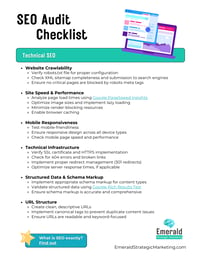
Search has evolved dramatically. Traditional SEO focused on ranking a page and driving a click. Today, many prospects get answers directly from search engines and AI tools without ever visiting a website. This shift has made regular SEO audit processes more important than ever.
A modern SEO audit should evaluate:
- Content quality and originality
- Technical website health
- Structured data and schema
- User experience
- Topic authority
- AI search visibility
- Search intent alignment
The goal is no longer just ranking on page one. The goal is becoming a trusted source that search engines and AI platforms reference when providing answers. Businesses that continue using SEO tactics from five years ago may be optimizing for a version of search that no longer exists.
Your Website Is No Longer a Digital Brochure
Many organizations still treat their website like an online brochure. Unfortunately, modern buyers expect more, much more!
Today's prospects arrive on your site looking for evidence.
They want proof that:
- You understand their challenges.
- You have solved similar problems.
- Your team is credible.
- Your process is trustworthy.
- Your solution can deliver measurable outcomes.
This is why strategic website design services have become increasingly important. Effective websites today focus on:
Clarity
When someone lands on your website, they should immediately understand who you help, what problems you solve, and why your solution matters. If visitors have to hunt for answers, decipher industry jargon, or navigate multiple pages to understand your value, they are likely to leave. Strong website design prioritizes clear messaging, intuitive navigation, and concise content that quickly connects your expertise to the buyer's needs.
Trust
B2B buyers are naturally skeptical because the stakes are high. Before they engage with your team, they want evidence that you can deliver on your promises. Testimonials, client reviews, case studies, certifications, team expertise, awards, and industry partnerships help reduce uncertainty and demonstrate credibility. Every page should reinforce the message that your organization is experienced, reliable, and capable of helping prospects achieve their goals.
Buyer Enablement
Modern buyers prefer to educate themselves before speaking with a salesperson. They research solutions, compare providers, and evaluate options independently. Your website should support this journey by providing helpful resources, answers to common questions, detailed service information, pricing guidance when appropriate, FAQs, case studies, and educational content. The easier it is for prospects to find the information they need, the more confident they become in moving forward.
Conversion
Even highly interested visitors can abandon the process if taking the next step feels difficult or unclear. Effective websites remove friction and guide users toward meaningful actions, whether that is scheduling a consultation, requesting a proposal, downloading a resource, or contacting your team. Clear calls-to-action, streamlined forms, strategic page layouts, and a logical user journey help convert website traffic into qualified opportunities and revenue.
A successful B2B website does far more than look professional. It communicates value, builds trust, educates buyers, and guides prospects toward action, turning your website into one of your most effective sales and marketing assets.
What B2B SaaS and Office Technology Marketing Can Teach Every Industry
Few sectors have felt these changes more strongly than B2B SaaS and Office Technology marketing. Software and office tech buyers often complete the majority of their research before speaking with a salesperson. As a result, these companies have been forced to adapt quickly. Some of the most effective strategies emerging from B2B SaaS marketing include:
Building Category Authority
The most successful SaaS and office technology companies learned that buyers do not start their search by looking for a vendor. They start by looking for answers. Instead of creating content that focuses solely on their products, leading organizations educate prospects on the broader business challenges they face. They publish articles, guides, webinars, and research that help buyers understand their problems, evaluate potential solutions, and make informed decisions. Doing extensive keyword research helps them understand what real people are searching and looking to learn more about.
By consistently providing valuable insights, these companies become recognized experts in their space. When buyers are finally ready to purchase, they naturally gravitate toward the organizations that have already helped them navigate the journey. The lesson for every B2B company is clear: do not just market your services. Own the conversations happening around the challenges your customers are trying to solve.
Publishing Expert-Led Content
The internet is crowded with content, but buyers can quickly tell the difference between generic marketing copy and genuine expertise. SaaS and office tech companies have increasingly shifted toward content created or informed by practitioners, engineers, consultants, executives, and other subject matter experts who bring real-world experience to the discussion.
This type of content provides deeper insights, more practical guidance, and greater credibility than surface-level articles written solely for search engines. Whether it is sharing lessons learned from client engagements, discussing industry trends, or offering strategic recommendations, expert-led content helps organizations build trust long before the first sales conversation. Buyers want to know that the people behind your brand truly understand their challenges, and your content should prove it.
Answering Buyer Questions Early
Modern buyers conduct extensive research before contacting a company. Along the way, they encounter questions, concerns, objections, and uncertainties that influence their purchasing decisions. Organizations that address these questions first often gain a significant competitive advantage.
Rather than avoiding difficult topics, leading office tech and SaaS companies openly discuss implementation challenges, pricing considerations, timelines, common misconceptions, and potential risks. This transparency reduces friction in the buying process and demonstrates confidence in their solution. When prospects can find honest, educational answers directly on your website, they are more likely to view your organization as a trusted advisor instead of just another vendor competing for attention.
Creating High-Value Resources
Many organizations have discovered that success comes from offering resources that provide immediate value, not simply publishing more content. Interactive tools, original research, assessment frameworks, calculators, benchmarking reports, templates, and strategic guides often generate significantly more engagement than traditional blog posts because they help buyers solve real problems.
These resources position the organization as a knowledgeable partner while giving prospects practical tools they can use immediately. They also create stronger brand recall because buyers return to resources they find useful. For B2B organizations, the takeaway is simple: focus on creating assets that help customers make better decisions, achieve better outcomes, or better understand their challenges. The more value you create before the sale, the easier it becomes to earn trust during the sale.
The Bigger Lesson for Every B2B Organization
The most valuable lesson from B2B office tech and SaaS marketing is not about software at all. It is about recognizing how modern buyers evaluate solutions. Today's decision-makers do not want to be sold to. They want to be educated, informed, and empowered.
Organizations that consistently share expertise, answer questions, provide meaningful resources, and help prospects navigate complexity position themselves as trusted authorities in their industry. Whether you sell technology, professional services, manufacturing solutions, managed IT services, or consulting, the companies that become the most trusted source of information are often the companies that win the business.

What a Tampa Digital Marketing Agency Should Be Helping Clients Do Today
If you're evaluating a Tampa digital marketing agency like Emerald (😉), the conversation should move beyond impressions, clicks, and rankings. Those metrics still matter.
But business leaders should also ask:
- How are we increasing authority in our market?
- What makes our content different?
- Are we visible in AI-driven search experiences?
- How are we supporting today's buyer journey?
- What insights can we provide that competitors cannot?
The best marketing partners aren't just generating content. They're helping organizations create clarity in increasingly crowded markets.
How Emerald Helps Office Technology and SaaS Companies Grow
At Emerald, we believe successful marketing starts with understanding the business behind the brand. Before recommending tactics, we take the time to learn about your company, your goals, your customers, and the challenges standing in the way of growth. This foundational discovery helps ensure every marketing initiative is aligned with real business objectives rather than vanity metrics.
Using those insights, we develop a customized marketing strategy designed specifically for your organization. Whether you're an office technology provider looking to increase qualified sales opportunities or a SaaS company seeking stronger pipeline growth, our recommendations are built around your unique market position, competitive market, and growth goals.
After reviewing the strategy together, we refine the plan based on your feedback, priorities, and evolving business needs. This collaborative approach ensures alignment across leadership, sales, and marketing teams before execution begins.
With an approved plan in place, we move into implementation. Depending on your goals, that may include content marketing, SEO and AEO optimization, website improvements, lead generation campaigns, email marketing, social media, paid advertising, or sales enablement content. Every initiative is designed to help you attract the right audience, not simply generate more traffic.
Most importantly, we continuously measure performance and adapt. We provide regular reporting and strategic reviews that focus on the metrics that impact business growth, including:
- Qualified leads and sales opportunities
- Marketing-sourced revenue
- Pipeline contribution
- Website conversion rates
- Search visibility and authority
- Engagement from target decision-makers
- Customer acquisition costs
- Content performance across the buyer journey
As markets change, algorithms evolve, and business priorities shift, we adjust strategies accordingly. The goal is not simply to increase marketing activity. The goal is to increase the right metrics that drive sustainable growth, stronger customer relationships, and more revenue.
Today, effective marketing is not about being the loudest voice in the room. It is about becoming the most trusted, most visible, and most valuable resource for the buyers you want to reach.
👉 See our B2B Marketing Solutions
The Businesses That Win Next Won't Be the Loudest
Many companies believe the solution is to create more content. The better strategy is often creating better signals. The organizations that succeed over the next several years will likely focus on:
- Deeper expertise
- Stronger brand positioning
- More original perspectives
- Better buyer education
- Trust-building content
- AI and search visibility
- Consistent thought leadership
The challenge isn't that marketing has become impossible. The challenge is that buyers have become more sophisticated.
Marketing feels harder because standing out requires more than showing up. It requires having something meaningful to say. And for businesses willing to invest in expertise, clarity, and trust, that creates a tremendous opportunity.

Frequently Asked Questions
1. Why does my marketing feel less effective even though we're creating more content?
Creating more content doesn't automatically create more trust. Buyers are exposed to an overwhelming amount of information every day. Companies that provide unique insights, real expertise, and practical guidance often outperform competitors publishing higher volumes of content.
2. Is SEO still important with AI search changing how people find information?
Yes, but SEO has evolved. Modern SEO is less about keyword stuffing and more about authority, relevance, user experience, and creating content that AI platforms and search engines view as trustworthy. Regular SEO audits help businesses stay visible as search behavior continues to shift.
3. What's the single biggest marketing mistake B2B companies are making today?
Many companies focus too heavily on talking about themselves instead of helping buyers make better decisions. The most effective marketing educates, builds trust, answers buyer questions, and demonstrates expertise before asking for a sale.